Demolition is a critical phase in any construction project, but successful construction management begins well before the wrecking ball swings. Proper planning and preparation can save time, reduce costs, and prevent safety hazards. For property owners and contractors in the local area, understanding the steps to take before demolition ensures a smoother transition to the next phase of construction.
This post explores key strategies for managing construction projects before demolition starts, highlighting practical tips and local considerations. Whether you are preparing a residential teardown or a commercial rebuild, these insights will help you avoid common pitfalls and set your project up for success.
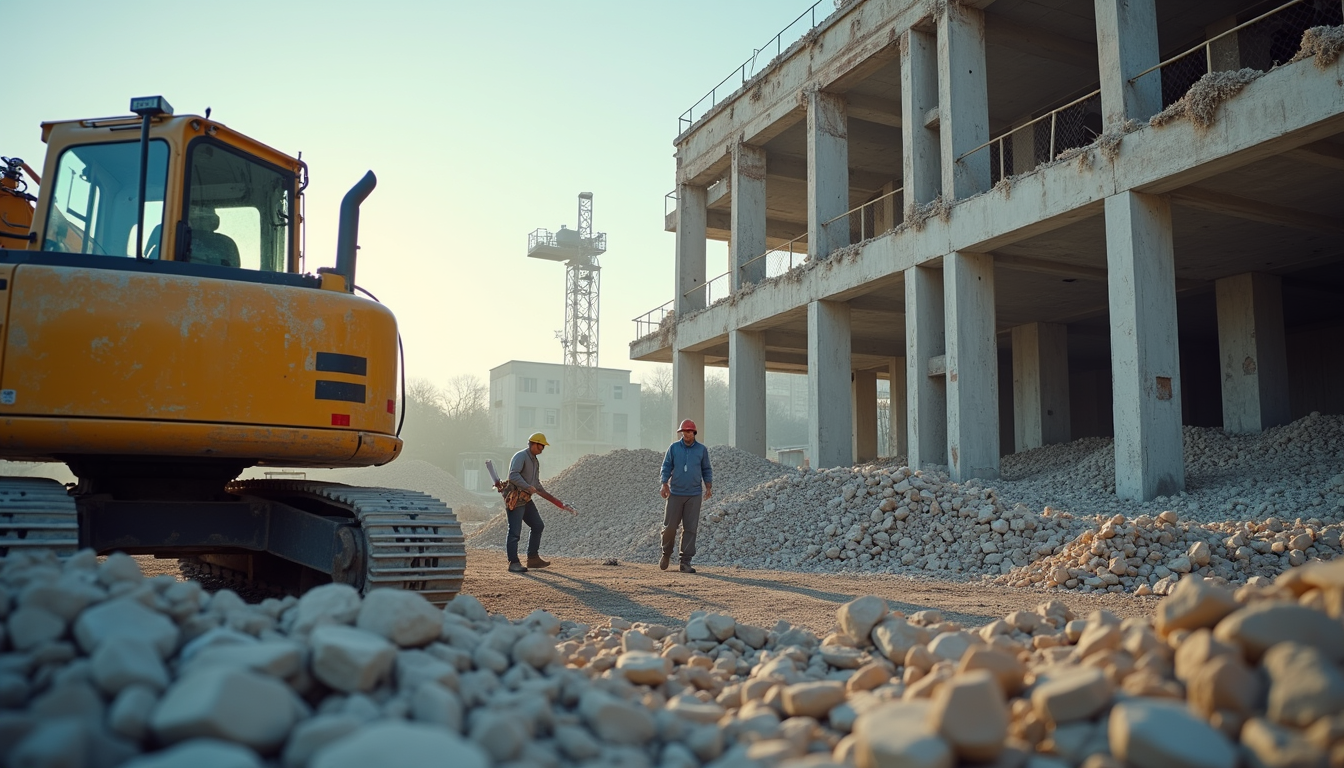
Preparing a construction site for demolition with heavy machinery and safety barriers
Assess the Site Thoroughly Before Demolition
Before any demolition work begins, a detailed site assessment is essential. This includes:
Identifying hazardous materials such as asbestos, lead paint, or mold. These require special handling and disposal.
Checking structural stability to plan safe demolition methods.
Locating underground utilities like water, gas, and electrical lines to avoid accidents.
Reviewing local regulations and obtaining necessary permits for demolition.
A thorough site assessment helps avoid unexpected delays and costly fines. For example, discovering asbestos late in the process can halt work and require expensive remediation.
Develop a Clear Demolition Plan
A well-structured demolition plan outlines the sequence of work, equipment needs, and safety protocols. Key elements include:
Timeline and milestones to track progress.
Waste management strategy to handle debris responsibly.
Safety measures such as fencing, signage, and protective gear.
Communication plan to keep all stakeholders informed.
Having a clear plan reduces confusion on site and ensures compliance with local laws. For instance, scheduling debris removal promptly prevents site clutter and hazards.
Coordinate with Local Authorities and Neighbors
Demolition can impact the surrounding community. Early coordination with local authorities ensures compliance with noise ordinances, dust control, and traffic management. Informing neighbors about the schedule and expected disruptions fosters goodwill and minimizes complaints.
In some cases, local agencies may require inspections before and after demolition. Staying proactive avoids project interruptions and builds positive relationships.
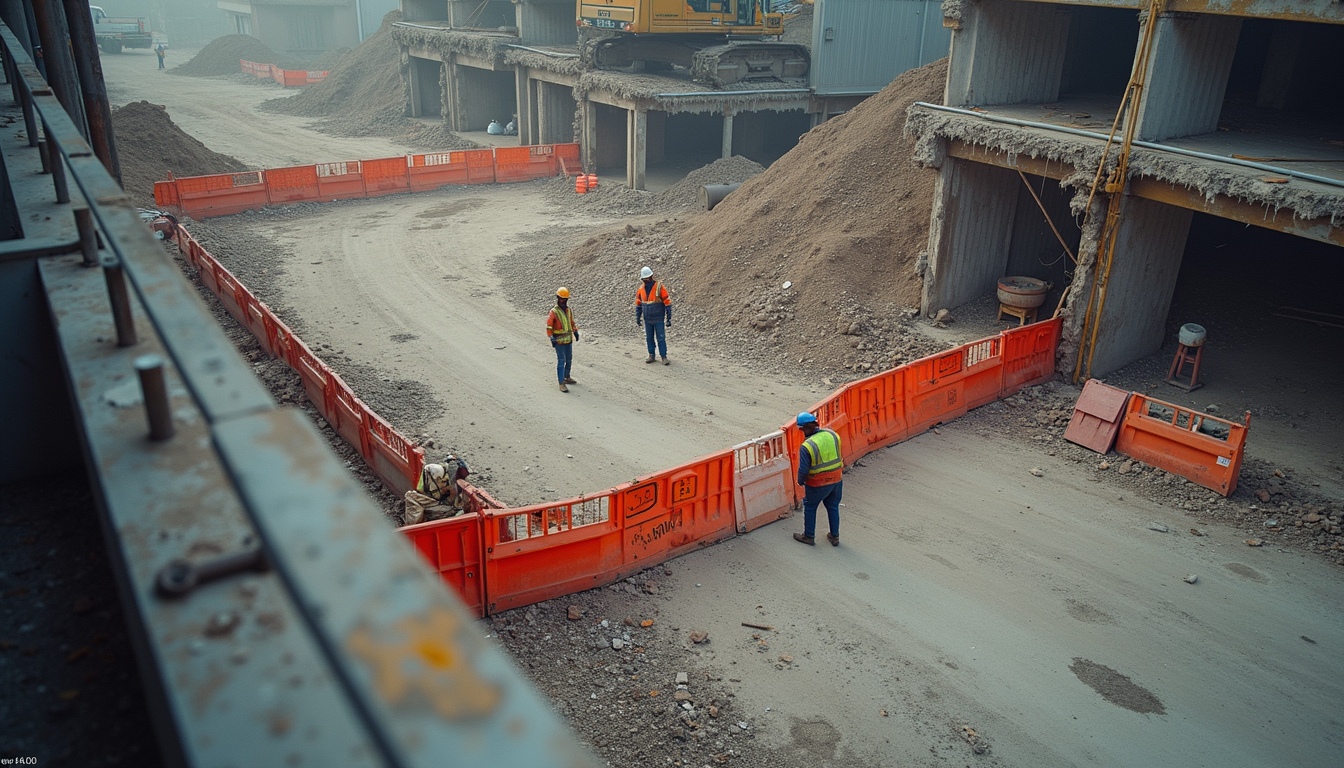
Construction workers installing safety barriers to secure the demolition site
Secure the Site and Implement Safety Protocols
Safety is a top priority before demolition begins. This involves:
Installing fencing and barriers to prevent unauthorized access.
Posting clear signage warning of hazards.
Providing personal protective equipment (PPE) for workers.
Training the demolition crew on emergency procedures.
Accidents during demolition can cause serious injuries and legal issues. A secure site protects workers and the public, reducing liability.
Arrange for Proper Waste Disposal and Recycling
Demolition generates large amounts of waste. Planning how to handle this waste before starting work is crucial. Options include:
Sorting materials on site for recycling or reuse.
Hiring licensed waste haulers familiar with local disposal regulations.
Donating salvageable materials like wood, bricks, or fixtures.
Responsible waste management lowers disposal costs and supports environmental sustainability. Many local governments offer guidelines or incentives for recycling construction debris.

Sorted demolition debris including wood, metal, and concrete prepared for recycling
Plan for Post-Demolition Site Preparation
Demolition is just the start of a new construction phase. Preparing the site afterward involves:
Clearing remaining debris and grading the land.
Conducting soil tests to check for contamination.
Installing erosion control measures if needed.
Coordinating with contractors for foundation work or landscaping.
Thinking ahead about post-demolition needs helps avoid delays and unexpected costs.
Contact RCB Construction Management for your Home Remodeling.
For inquiries or to discuss your project, reach out to us at:
Phone: (980) 299-5475
Email: info@rcbconstructionmgmt.com
Need Help With Your Project?
Our team at RCB Construction Management is here to help you transform your home. Contact us for a free consultation.