Starting a construction project without thorough planning and design guidance often leads to delays, budget overruns, and unsatisfactory results. Careful preparation before breaking ground sets the foundation for a smooth process and a finished structure that meets expectations. This post explores key steps and practical advice to help you navigate pre-construction planning and design effectively.
Understanding Project Goals and Requirements
Clear goals guide every decision in a construction project. Start by defining the purpose of the building, its size, and essential features. Consider who will use the space and how it should function. This clarity helps avoid costly changes later.
Identify primary functions of the building
List must-have features and amenities
Set realistic budget and timeline expectations
Consult stakeholders early to gather input
For example, a community center needs flexible spaces for events, while a residential home focuses on comfort and privacy. Knowing these needs upfront shapes the design and material choices.
Site Analysis and Feasibility Study
Before designing, assess the site conditions. A detailed site analysis reveals opportunities and constraints that influence the project’s scope.
Key factors to evaluate:
Topography and soil quality
Access to utilities like water, electricity, and sewage
Local zoning laws and building codes
Environmental considerations such as flood risk or protected areas
A feasibility study combines this data to determine if the project is viable and what adjustments might be necessary. For instance, poor soil may require special foundation work, impacting cost and schedule.
Developing a Comprehensive Design Plan
Once goals and site conditions are clear, the design phase begins. This step translates ideas into detailed drawings and specifications.
Important elements of a design plan include:
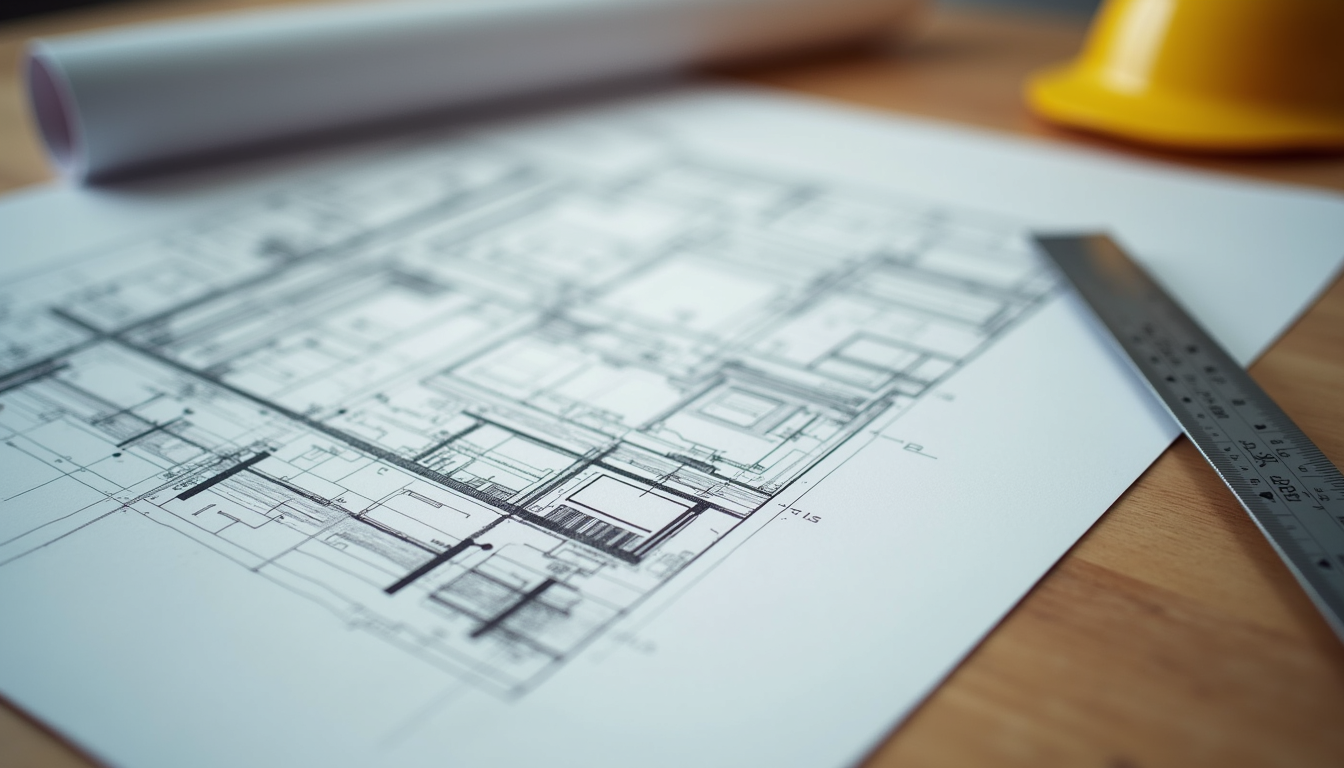
Floor plans showing room layouts and dimensions
Elevations illustrating exterior appearance
Structural details for stability and safety
Mechanical, electrical, and plumbing (MEP) systems integration
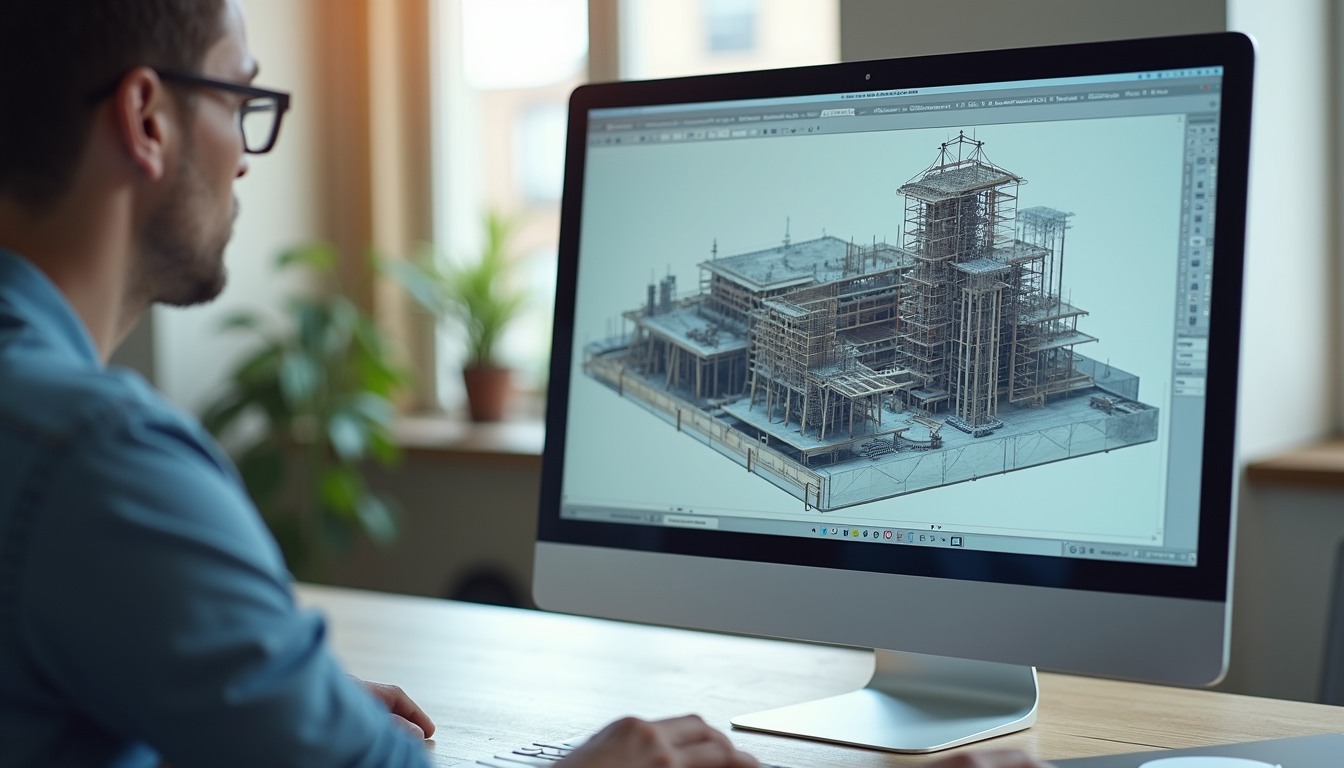
Collaborate closely with architects, engineers, and contractors to ensure the design is practical and meets all requirements. Using 3D models or virtual walkthroughs can help visualize the final product and catch issues early.
Budgeting and Scheduling
A realistic budget and schedule are critical to keep the project on track. Break down costs into categories such as materials, labor, permits, and contingencies. Include allowances for unexpected expenses.
Tips for effective budgeting:
Obtain multiple quotes from suppliers and contractors
Prioritize spending on essential elements
Plan for phased payments aligned with project milestones
Scheduling should outline key phases like site preparation, foundation work, framing, and finishing. Use project management tools to track progress and adjust plans as needed.
Risk Management and Permitting
Identifying potential risks early helps prevent costly setbacks. Common risks include weather delays, supply chain disruptions, and design changes.
Strategies to manage risks:
Build buffer time into the schedule
Secure reliable suppliers with backup options
Maintain clear communication among all parties
Obtaining necessary permits is a legal requirement that can take time. Submit applications early and ensure all documentation complies with local regulations to avoid delays.
Communication and Collaboration
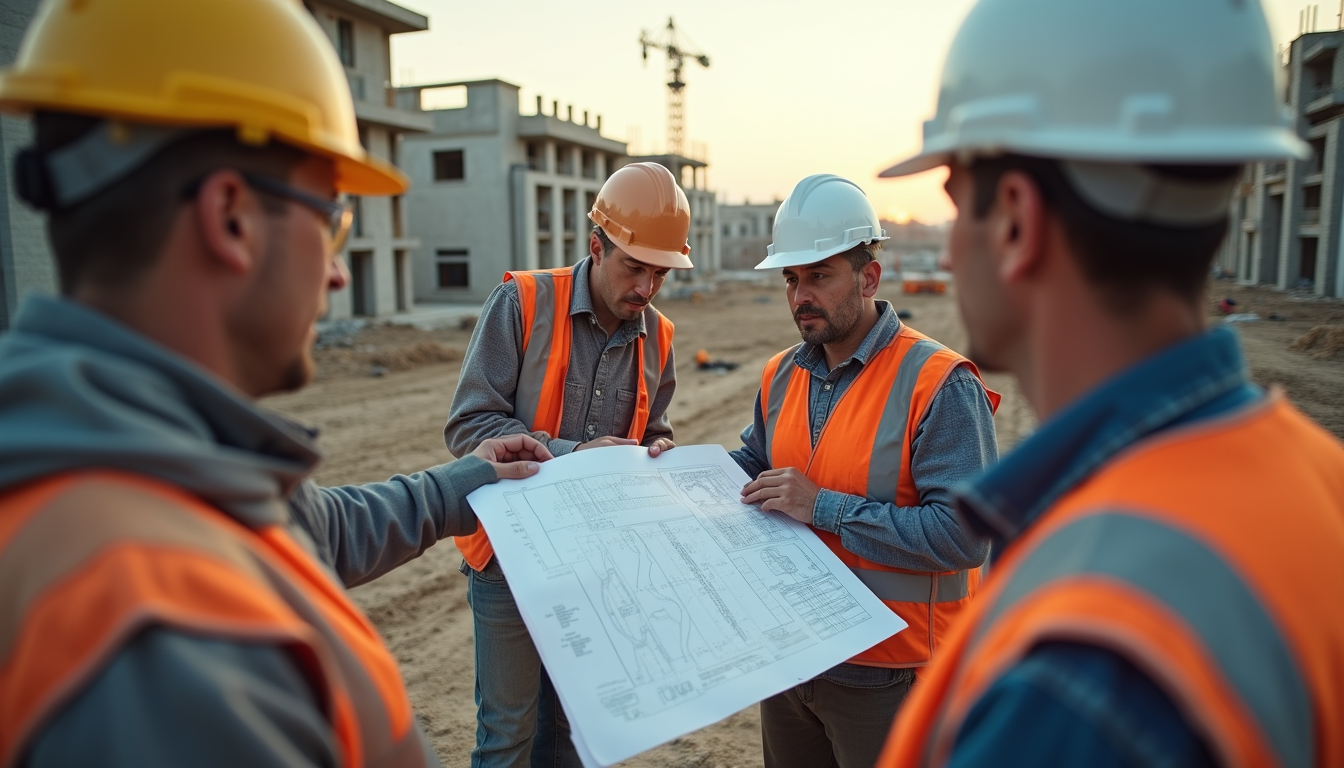
Successful projects depend on strong communication between owners, designers, contractors, and suppliers. Establish regular meetings and clear channels for updates and problem-solving.
Use tools like shared project management platforms or cloud-based document storage to keep everyone informed. Encourage transparency to address issues promptly.
Final Thoughts on Pre-construction Planning
Thorough pre-construction planning and design guidance reduce risks and improve outcomes. Defining clear goals, analyzing the site, developing detailed designs, and managing budgets and schedules create a strong foundation for success. Prioritizing communication and risk management keeps the project moving smoothly.
Need Help With Your Project?
Our team at RCB Construction Management is here to help you transform your home. Contact us for a free consultation.