Remodeling a home can be exciting, but it often comes with stress, unexpected delays, and budget surprises. The key to avoiding these common pitfalls lies in effective residential project management. When done right, it transforms a potentially chaotic process into a smooth, enjoyable experience that delivers the home you envision. This post explores practical strategies to master project management for your home remodel, helping you stay organized, on schedule, and within budget.
Set Clear Goals and Priorities
Before any demolition or construction begins, define what you want to achieve with your remodel. Clear goals guide every decision and help keep the project focused. Ask yourself:
What rooms or features need updating?
What style or design do you want?
What is your budget range?
What is your ideal timeline?
Write down your priorities and share them with your contractor or project manager. For example, if expanding the kitchen is your top priority, make sure this is clear to everyone involved. This prevents scope creep, where additional work sneaks in and inflates costs or delays completion.
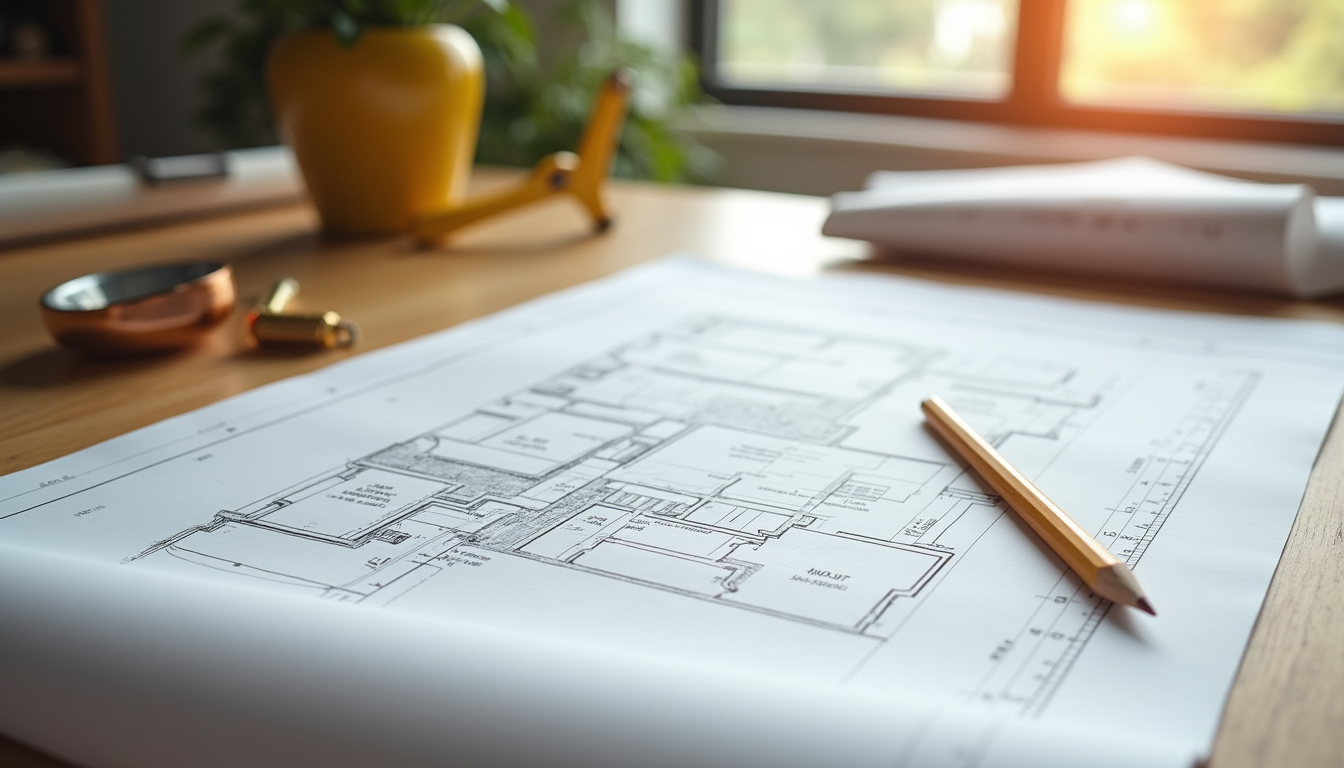
Create a Detailed Plan and Schedule
A detailed plan breaks the remodel into manageable phases, such as demolition, framing, electrical, plumbing, drywall, and finishing. Each phase should have a timeline and a list of tasks. Use a calendar or project management app to track progress and deadlines.
For instance, if drywall installation depends on plumbing completion, schedule these tasks sequentially to avoid downtime. Regularly update the schedule to reflect real progress and adjust for any delays.
Communicate Effectively with Your Team
Good communication is essential. Establish a single point of contact, whether it’s you, a project manager, or a general contractor. This person coordinates between subcontractors, suppliers, and you.
Hold weekly check-ins to review progress, discuss challenges, and confirm upcoming tasks. Use clear, concise messages and document decisions in writing. This reduces misunderstandings and keeps everyone accountable.
Manage Your Budget with Care
Unexpected expenses are common in remodeling. To control costs:
Include a contingency fund of 10-15% for surprises.
Get multiple quotes for major work.
Track all expenses in a spreadsheet or budgeting app.
Approve changes only after reviewing their impact on cost and schedule.
For example, if you decide to upgrade countertops mid-project, understand how this affects your budget and timeline before committing.

Choose Reliable Contractors and Vendors
Selecting skilled and trustworthy professionals reduces risks. Ask for recommendations, check reviews, and verify licenses and insurance. Interview candidates to assess their experience with similar projects.
Request references and visit past job sites if possible. A reliable contractor will provide a clear contract outlining scope, costs, and deadlines. Avoid hiring based solely on the lowest bid; quality matters most.
Prepare for the Unexpected
Even the best plans encounter surprises like hidden water damage or permit delays. Prepare by:
Staying flexible with your timeline.
Keeping open communication with your team.
Having backup plans for materials or subcontractors.
Documenting all changes and approvals.
For example, if a plumbing issue arises behind a wall, address it promptly to avoid further damage and delays.
Keep Your Living Space Comfortable
If you live in the home during remodeling, plan how to minimize disruption. Set up temporary kitchens or bathrooms if needed. Protect furniture and floors from dust and debris.
Communicate your schedule to family members or roommates so everyone knows what to expect. This reduces stress and keeps daily life manageable.
Use Technology to Stay Organized
Many apps and tools help manage remodeling projects. Consider:
Project management apps like Trello or Asana for task tracking.
Budgeting tools like Mint or Excel spreadsheets.
Communication platforms like Slack or WhatsApp groups.
These tools keep information centralized and accessible, improving coordination and transparency.
Final Walkthrough and Quality Check
Before signing off on the project, conduct a thorough walkthrough with your contractor. Check that all work meets your expectations and contract specifications. Create a punch list of any remaining issues or touch-ups.
Address these promptly to avoid future problems. A detailed final inspection ensures your remodel is complete and satisfactory.
Need Help With Your Project?
Our team at RCB Construction Management is here to help you transform your home. Contact us for a free consultation.