Planning a home remodel can be exciting and overwhelming at the same time. You have ideas, dreams, and a vision for your space, but one question always lingers: How much will this cost? That’s where a solid remodeling budget plan comes in. It helps you stay on track, avoid surprises, and make smart decisions throughout your project.
In this post, I’ll walk you through how to create a practical, easy-to-use budget that fits your needs. Whether you’re updating a kitchen, adding a bathroom, or reimagining your entire home, this guide will help you take control of your finances and your remodel.
Why Remodeling Budget Planning Matters
Before you pick out paint colors or fixtures, you need a clear picture of your budget. Remodeling budget planning is more than just guessing numbers. It’s about understanding every cost involved and setting realistic expectations.
Here’s why it’s so important:
Avoid overspending: Without a plan, costs can spiral quickly.
Prioritize your needs: Know where to spend and where to save.
Communicate clearly: Share your budget with contractors to get accurate quotes.
Track progress: Keep an eye on expenses as the project moves forward.
When you plan your budget carefully, you reduce stress and increase the chances of a successful remodel.
How to Start Your Remodeling Budget Planning
Starting your budget might feel intimidating, but breaking it down into steps makes it manageable. Here’s how I recommend you begin:
1. Define Your Project Scope
Write down exactly what you want to remodel. Be specific. For example:
Replace kitchen cabinets and countertops
Update bathroom fixtures and flooring
Add a new deck in the backyard
Knowing the scope helps you estimate costs more accurately.
2. Research Costs in Charlotte, NC
Prices vary by location, so check local rates for materials and labor. You can:
Visit home improvement stores
Get quotes from local contractors
Look up online cost guides for Charlotte-area projects
This research gives you a realistic starting point.
3. List All Potential Expenses
Don’t forget hidden or indirect costs. Your list might include:
Materials (tiles, paint, wood)
Labor (contractors, electricians, plumbers)
Permits and inspections
Design fees
Cleanup and disposal
Unexpected repairs
4. Set a Contingency Fund
Plan for surprises by adding 10-20% extra to your budget. Remodeling often uncovers issues you didn’t expect.
5. Choose a Budgeting Tool
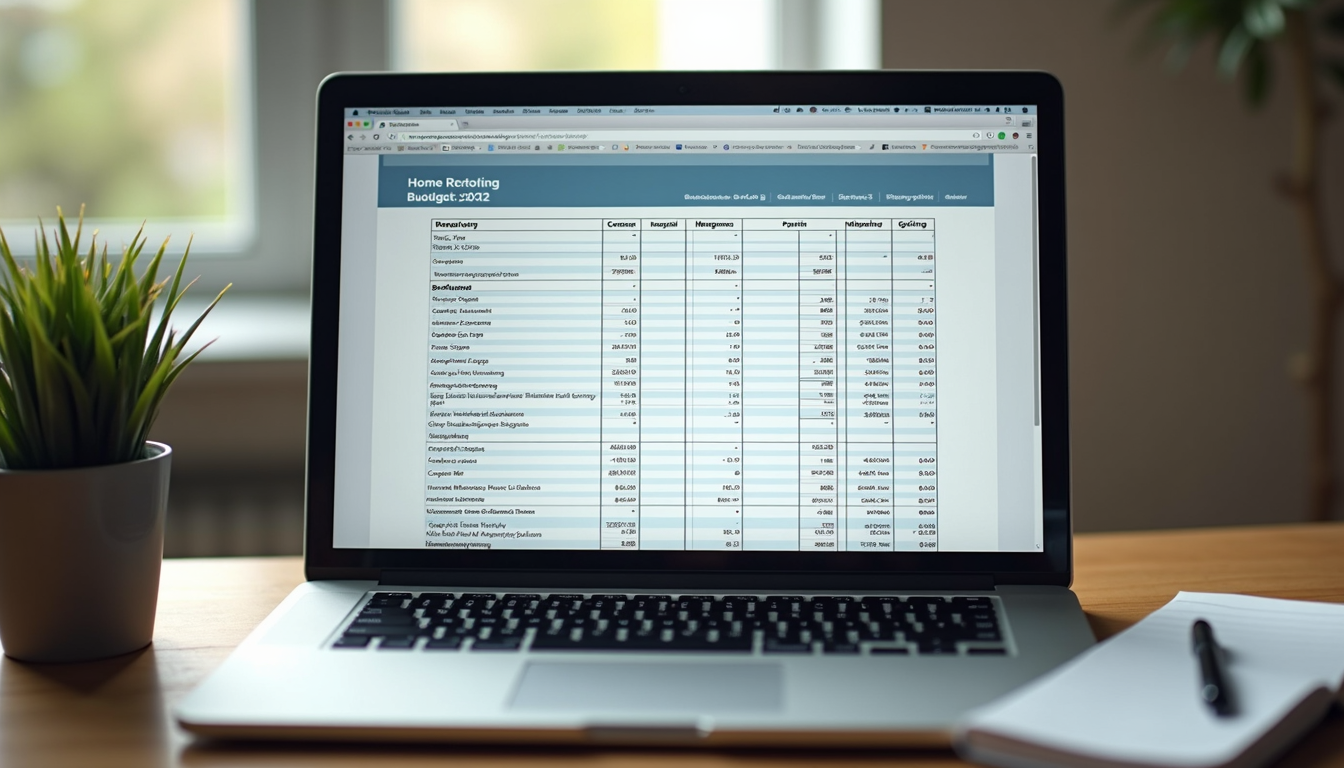
You can use a spreadsheet, budgeting app, or a printable template. I recommend using a home remodeling budget template to keep everything organized and easy to update.
Building Your Home Remodeling Budget Template
Now that you have your research and list, it’s time to build your budget template. Here’s a simple structure you can follow:
Categories to Include
Demolition and Prep Work: Removing old materials, site prep
Materials: Cabinets, flooring, paint, fixtures
Labor: Contractor fees, subcontractors
Permits and Fees: City permits, inspections
Design and Consulting: Architect or designer fees
Contingency: Extra funds for unexpected costs
How to Organize Your Template
Create columns for:
Item description
Estimated cost
Actual cost
Paid (yes/no)
Notes (for details or changes)
This setup helps you track your spending and adjust as needed.
Tips for Accuracy
Get multiple quotes for big-ticket items.
Update your template regularly.
Keep receipts and invoices handy.
Communicate changes with your contractor immediately.
Managing Your Budget During the Remodel
Once your project is underway, your budget becomes a living document. Here’s how to keep it working for you:
Track Every Expense
Record every purchase and payment. Even small items add up.
Review Weekly
Set a weekly check-in to compare estimated vs. actual costs. This helps catch overruns early.
Communicate Openly
Talk with your contractor about any changes or unexpected issues. Adjust your budget accordingly.
Stay Flexible but Firm
Sometimes you’ll want to upgrade or add features. Decide if these fit your budget or if you need to cut costs elsewhere.

Making Your Remodeling Budget Work for You
A budget is a tool, not a restriction. Use it to make informed choices and keep your project on track. Here are some final tips:
Prioritize: Focus on must-haves first, then extras.
Shop Smart: Look for sales, discounts, or secondhand materials.
DIY Where Possible: Save on labor by doing small tasks yourself.
Plan for Quality: Invest in durable materials that add value.
Keep Your Vision Clear: Remember why you’re remodeling and what matters most.
By following these steps and using a home remodeling budget template, you’ll feel confident managing your project from start to finish.
Creating a thoughtful remodeling budget is the foundation of a successful home renovation. With clear planning, realistic expectations, and ongoing management, you can transform your space without financial stress. Ready to get started? Your dream home is within reach!
Need Help With Your Project?
Our team at RCB Construction Management is here to help you transform your home. Contact us for a free consultation.