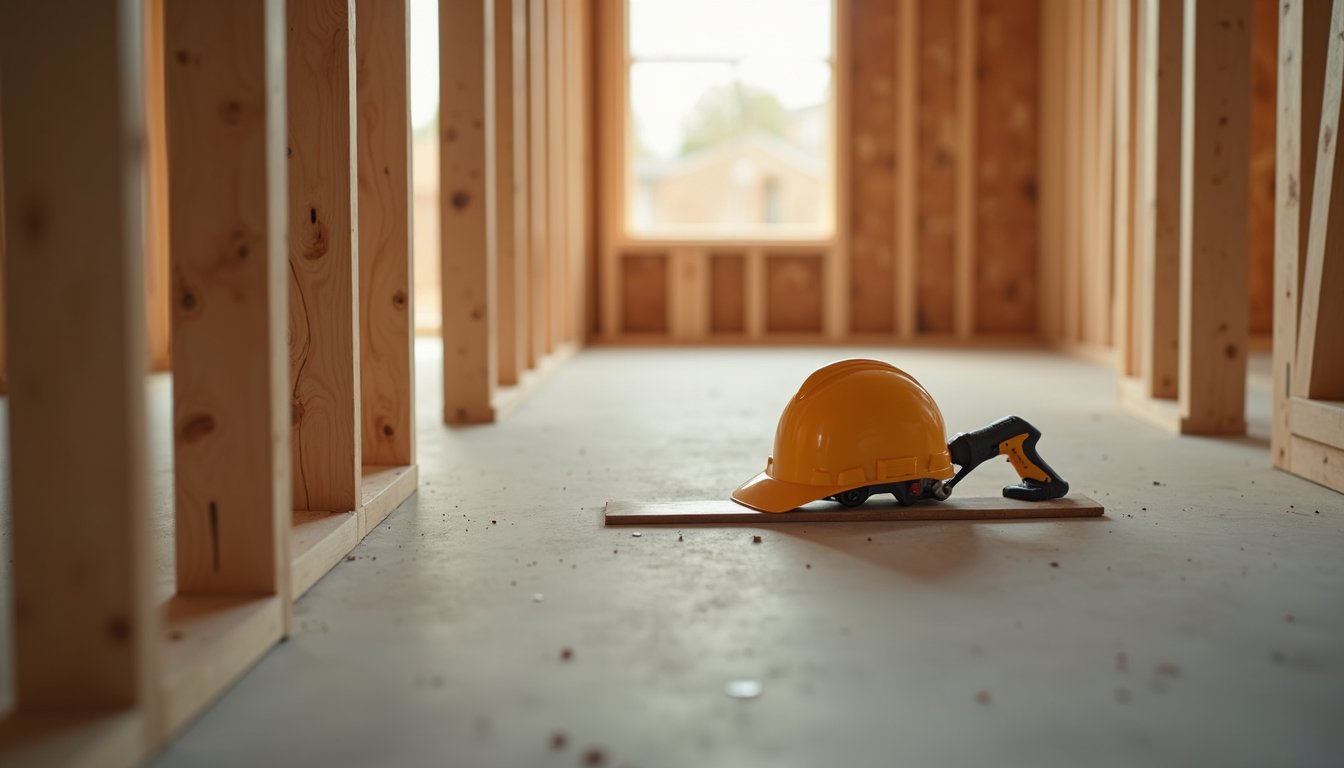
Moving fast on a construction site does not always mean making real progress. When trades are not sequenced correctly, the project can suffer from repeated work, damaged materials, and extended timelines. Construction management is less about urgency and more about order. Each phase must properly prepare for the next to ensure smooth progress and avoid costly delays. This post explores why trade sequencing matters more than speed and how it can lead to more efficient construction projects.
Why Speed Alone Can Hurt Construction Projects
Many construction teams feel pressure to move quickly to meet deadlines or reduce costs. However, rushing trades without proper sequencing often causes:
Work to be redone: For example, if electrical wiring is installed before framing is complete, workers may need to remove or adjust wiring later.
Materials to get damaged: Installing finishes before structural work is done can lead to scratches, dents, or contamination.
Timelines to stretch: Fixing mistakes or redoing work adds time, offsetting any initial speed gains.
Speed without order creates chaos. It’s like trying to build a puzzle by forcing pieces in randomly rather than following the picture.
What Trade Sequencing Means in Construction
Trade sequencing refers to the planned order in which different trades perform their work on a construction project. It ensures that each phase sets up the next for success. For example:
Excavation and foundation work must finish before framing begins.
Framing should be complete before electrical and plumbing rough-ins.
Drywall installation follows after mechanical, electrical, and plumbing inspections.
This logical order prevents conflicts and rework, allowing the project to flow smoothly.
Key Benefits of Proper Trade Sequencing
1. Reduces Rework and Waste
When trades follow a clear sequence, the risk of damaging completed work decreases. For instance, painting walls before installing windows can lead to paint splatters on glass, requiring cleanup or replacement. Sequencing trades properly minimizes these issues, saving time and money.
2. Protects Materials and Equipment
Materials stored or installed out of order can get damaged or stolen. For example, placing flooring before drywall can expose it to dust and debris. Proper sequencing ensures materials are installed at the right time, preserving their quality.
3. Improves Safety on Site
A well-sequenced project reduces congestion and overlapping tasks that can cause accidents. For example, having heavy equipment operate in the same area as finishing trades increases risk. Scheduling trades to work in separate phases or areas improves safety.
4. Enhances Communication and Coordination
Clear sequencing helps all teams understand when their work is expected. This clarity reduces confusion and scheduling conflicts. It also allows project managers to anticipate potential delays and adjust plans proactively.
5. Shortens Overall Project Duration
Although it may seem counterintuitive, proper sequencing often speeds up the entire project. Avoiding rework and delays means the project moves forward steadily without setbacks.
Examples of Trade Sequencing in Practice
Residential Construction
In a typical home build, the sequence might look like this:
Site preparation and foundation
Framing and roofing
Electrical, plumbing, and HVAC rough-ins
Insulation and drywall
Interior finishes like painting and flooring
Final fixtures and landscaping
If the electrical team starts before framing is complete, they may have to redo wiring after walls are built, causing delays and extra costs.
Commercial Construction
For a commercial office building, sequencing is even more critical due to complexity:
Structural steel erection must finish before mechanical systems installation.
Fire protection systems are installed after mechanical and electrical rough-ins.
Ceiling grids and lighting fixtures come after inspections.
A project in New York City reported a 15% reduction in schedule overruns after adopting strict trade sequencing protocols, showing real-world benefits.
How to Plan Effective Trade Sequencing
Understand the Project Scope and Design
Start by reviewing architectural and engineering plans to identify dependencies between trades. Knowing which tasks rely on others helps create a logical order.
Develop a Detailed Schedule
Use project management software to map out each trade’s start and end dates. Include buffer times for inspections and unexpected delays.
Communicate Clearly with All Teams
Hold coordination meetings with subcontractors to explain the schedule and expectations. Encourage feedback to identify potential conflicts early.
Monitor Progress and Adjust as Needed
Regularly check if trades are completing work on time. If delays occur, adjust the sequence or resources to keep the project on track.
Use Visual Tools
Gantt charts and flow diagrams help visualize trade sequencing and make it easier for everyone to understand the plan.
Common Challenges and How to Overcome Them
Unexpected Delays
Weather, supply shortages, or labor issues can disrupt sequencing. Build contingency plans and maintain flexibility to rearrange trades if necessary.
Overlapping Trades
Sometimes trades must work simultaneously due to tight deadlines. In these cases, clearly define work zones and safety protocols to minimize conflicts.
Communication Breakdowns
Poor communication can lead to trades arriving too early or late. Use daily briefings and digital communication tools to keep everyone informed.
The Role of Technology in Trade Sequencing
Modern construction management software offers tools to plan and track trade sequencing effectively. Features include:
Real-time schedule updates
Automated alerts for delays
Resource allocation tracking
Collaboration platforms for teams
Using technology reduces human error and improves coordination, making sequencing easier to manage.
Final Thoughts on Trade Sequencing and Construction Efficiency
Trade sequencing is a critical factor in construction management that directly impacts project success. Moving fast without order leads to wasted effort, damaged materials, and longer timelines. By focusing on the right sequence of trades, construction teams can reduce rework, protect materials, improve safety, and ultimately complete projects faster.
The next time you plan a construction project, prioritize sequencing over speed. Build a clear, logical order for trades and communicate it well. This approach will save time, reduce costs, and deliver better results.
Contact RCB Construction Management
If you're looking for expert construction management services in Charlotte, NC, look no further than RCB Construction Management. Our team is dedicated to delivering high-quality results tailored to your specific needs.
Get Started Today!
Phone: Call us at (980)299-5475
Email: Reach out via email at info@rcbconstructionmgmt.com
Visit: Our Website www.rcbconstructionmgmt.com
Let us help you bring your construction project to life! Contact us today for a consultation.
Need Help With Your Project?
Our team at RCB Construction Management is here to help you transform your home. Contact us for a free consultation.