When planning a full home remodeling or a specific project like a kitchen or bathroom renovation in Charlotte, North Carolina, understanding the roles of a Construction Manager and a General Contractor can save time, money, and stress. Both professionals play key roles in building and renovation projects, but their responsibilities and approaches differ. This guide will help homeowners, real estate brokers, architects, and engineers in the Charlotte area and surrounding cities make informed decisions for their next project with companies like RCB Construction Management.
What Does a Construction Manager Do?
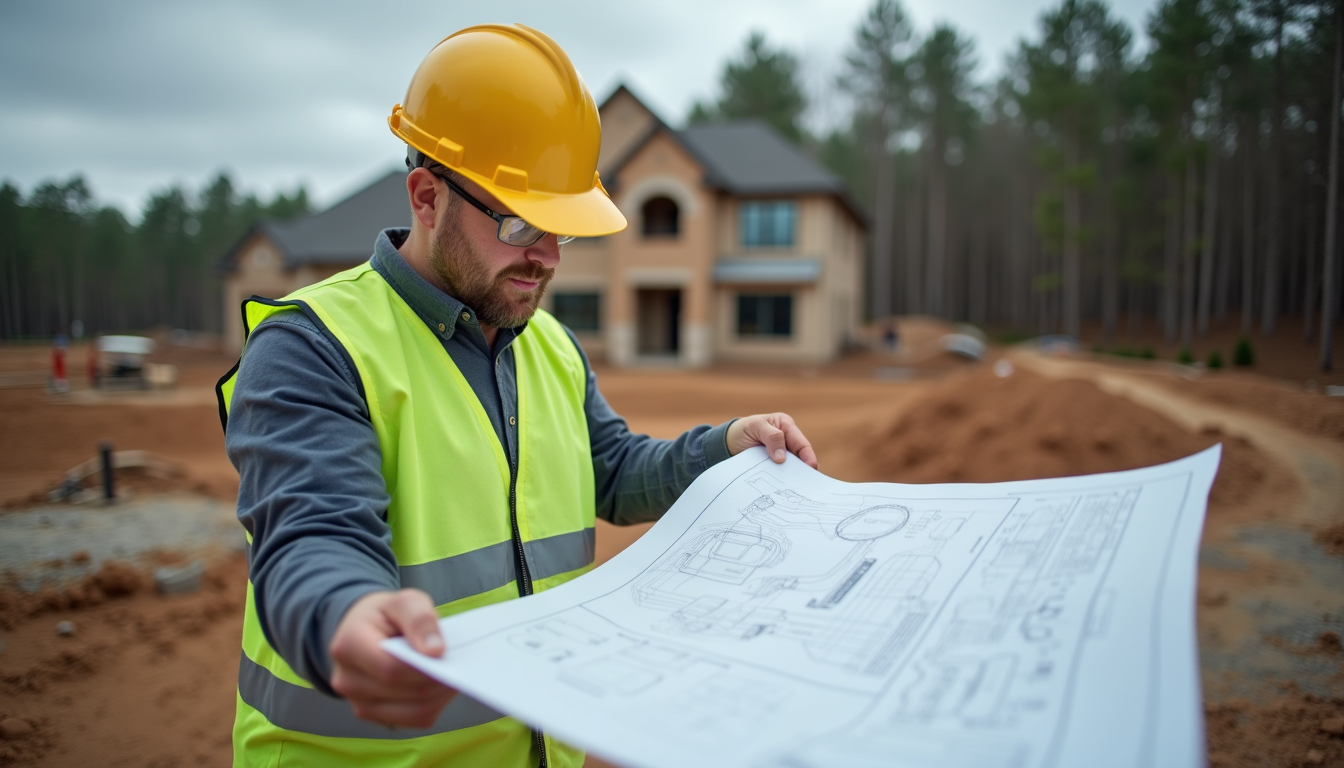
A Construction Manager (CM) acts as the project’s overseer from start to finish. Their role is to coordinate every aspect of the construction or renovation process, ensuring the project stays on schedule, within budget, and meets quality standards. They often work closely with architects, engineers, and homeowners to plan and execute projects such as home additions, attic conversions, or screened in porches.
Key Responsibilities of a Construction Manager
Project Planning: Develop detailed timelines and budgets for projects like garage builds or outdoor living spaces including decks and patios.
Coordination: Manage subcontractors, suppliers, and vendors to ensure materials like concrete and tilework arrive on time.
Quality Control: Monitor workmanship on areas such as laundry rooms or sunrooms to meet design specifications.
Problem Solving: Quickly address issues that arise during renovations to avoid costly delays.
Communication: Serve as the main point of contact for all parties involved, including the homeowner and city inspectors.
Construction Managers often provide a more hands-on approach to managing complex projects, especially when multiple trades are involved. For example, a basement renovation that includes plumbing, electrical, and finishing work benefits from a CM’s coordination skills.
What Does a General Contractor Do?
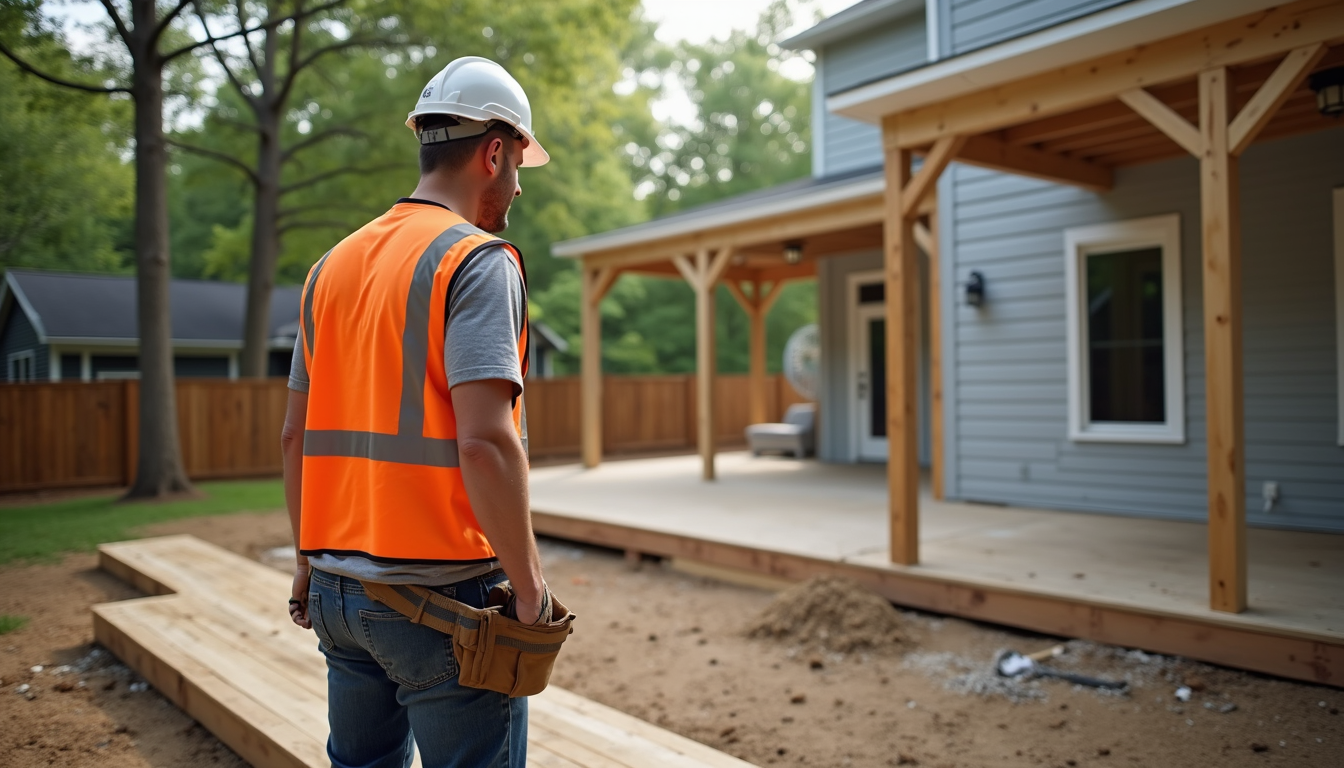
A General Contractor (GC) is responsible for the actual construction work. They hire and supervise subcontractors, order materials, and ensure the physical building or remodeling happens according to plans. GCs are often the ones physically present on-site, managing day-to-day operations.
Key Responsibilities of a General Contractor
Hiring Subcontractors: Bring in specialists for tasks like framing, roofing, or installing porch overhangs.
Scheduling Work: Organize the sequence of construction activities to keep projects like kitchen or bathroom renovations moving smoothly.
Material Procurement: Purchase and deliver materials such as concrete or tilework needed for the project.
On-Site Supervision: Oversee workers and ensure safety protocols are followed.
Budget Management: Track expenses and provide updates to the homeowner or project manager.
General Contractors are ideal for projects where the scope is clearly defined, such as building a carport or adding a home addition. They focus on executing the construction efficiently and effectively.
How to Choose Between a Construction Manager and a General Contractor
Choosing the right professional depends on your project’s size, complexity, and your involvement level.
When to Hire a Construction Manager
You want to be involved in decision-making and have a say in every step.
Your project involves multiple phases or trades, such as a full home remodeling that includes the attic, basement, and laundry room.
You need expert advice on budgeting and scheduling.
You prefer a single point of contact who manages subcontractors and vendors.
When to Hire a General Contractor
Your project is straightforward, like building a garage, carport, or a screened in porch.
You want someone to handle all construction tasks and subcontractor management.
You prefer a hands-off approach and want the GC to manage daily site activities.
Your project has a fixed design and scope.
How RCB Construction Management Supports Charlotte Homeowners
RCB Construction Management specializes in both construction management and general contracting services in Charlotte, North Carolina, and nearby cities. Their team understands the unique needs of homeowners in the 28211 area, offering tailored solutions for projects ranging from kitchen and bathroom renovations to outdoor living enhancements like decks and patios.
What Sets RCB Construction Management Apart
Local Expertise: Deep knowledge of Charlotte’s building codes and neighborhood styles.
Comprehensive Services: Ability to manage complex home additions or simple porch overhang installations.
Quality Craftsmanship: Skilled subcontractors for tilework, concrete, and custom finishes.
Transparent Communication: Regular updates and clear timelines.
Customer Focus: Prioritize homeowner satisfaction and project goals.
Whether you want to transform your sunroom or add a new garage, RCB Construction Management can guide you through the process, ensuring your vision becomes reality.
Tips for a Successful Renovation in Charlotte
Define Your Goals: Be clear about what you want, whether it’s a full home remodeling or a specific space like a laundry room.
Set a Realistic Budget: Include contingencies for unexpected costs.
Check Credentials: Verify licenses and insurance for your CM or GC.
Communicate Clearly: Keep open lines with your construction professional.
Plan for Permits: Charlotte and surrounding cities have specific regulations.
Inspect Work Regularly: Stay involved to ensure quality and progress.
Final Thoughts
Understanding the difference between a Construction Manager and a General Contractor helps you choose the right partner for your Charlotte home project. If your renovation involves multiple trades and requires close oversight, a Construction Manager like those at RCB Construction Management is a smart choice. For more straightforward projects, a General Contractor can efficiently handle construction and subcontractor coordination.
Need Help With Your Project?
Our team at RCB Construction Management is here to help you transform your home. Contact us for a free consultation.